


Your skin isn’t just for looking fine and fresh. It’s your body’s first line of defense—protecting you from germs, regulating your temperature, producing vitamin D, and reflecting your overall health. Yet, many of us are unknowingly damaging this vital organ through harmful habits and skincare practices.
If you want to protect your skin and keep it glowing, it’s time to understand how your actions affect it. Let’s break it down.
Why Your Skin Is So Important
Your skin is much more than appearance. Here’s what it really does:
Barrier Protection: Stops dirt, germs, and infections from entering your body.
Temperature Regulation: Makes you sweat when hot and shiver when cold to protect your organs.
Early Warning System: Alerts you with pain or heat when something harmful touches you.
Vitamin D Production: Absorbs sunlight to help your bones and immune system stay strong.
Self-Healing: Immediately starts repairing cuts, burns, or tears.
Health Reflection: Shows signs of stress, poor diet, or dehydration through pimples, dryness, or dullness.
With all this work, you’d expect us to treat our skin with respect. Unfortunately, many practices common in Nigeria—and around the world—are destroying skin health.
7 Harmful Habits That Are Ruining Your Skin
1. Skin Bleaching
Nigeria has one of the highest skin bleaching rates globally. According to the BBC, 77% of Nigerian women use bleaching creams, soaps, or injections.
What bleaching really does:
Thins your skin, making it fragile.
Causes burns and stretch marks.
Slows down healing (even surgery becomes harder).
Increases long-term risks of skin cancer.
The short-term glow isn’t worth the long-term damage.

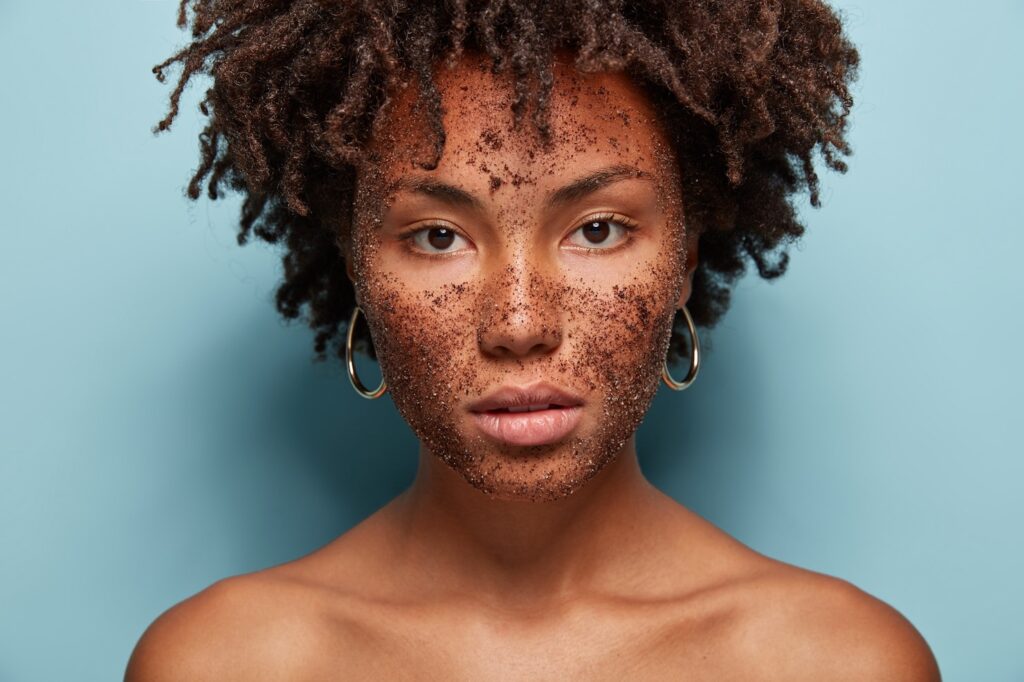
2. Excessive Scrubbing
Many believe that the harder you scrub, the cleaner you’ll be. Wrong. Over-exfoliation:
Strips away natural oils your skin needs.
Irritates and dries out your skin.
Makes it more sensitive and prone to damage.
Your skin isn’t the back of a cooking pot—treat it gently.
3. Using Unsafe Chemicals
Your skin absorbs some of what you put on it. That means toxic ingredients can enter your body. Harmful chemicals to avoid in skincare include:
Mercury
Lead
Hydroquinone (in unsafe concentrations)
Unprescribed steroids
Many “organic” or “Instagram” creams are mixed with dangerous substances. If the seller can’t list what’s inside, don’t rub it on your skin.
4. Ignoring Sunscreen
A big myth in Africa: “I don’t need sunscreen because I’m black.”
The truth:
The sun doesn’t care about skin color.
Without sunscreen, you risk dark spots, burns, premature aging, and skin cancer.
Use broad-spectrum SPF 50 sunscreen daily, especially under Nigeria’s harsh sun.
You may also like: How the Food You Eat Can Help Prevent Colon Cancer
5. Poor Diet & Dehydration
Your skin reflects your lifestyle. Too much sugar, oily food, and too little water = dull skin, breakouts, and inflammation.
Simple fixes:
Eat more fruits, vegetables, and whole foods.
Drink at least 2–3 liters of water daily.
Cut down on excess sugar and fried street foods.

6. Bad Hygiene Habits
Sleeping with makeup: Blocks pores, causes pimples.
Dirty pillowcases: Breed bacteria that trigger acne. Wash them weekly.
Using antiseptic soap for bathing: Kills protective bacteria on your skin, leaving you exposed to harmful microbes.
Antiseptic soap is for your hands—not your whole body.
7. Ignoring Real Skin Conditions
Acne, eczema, rashes, or scars aren’t things to treat with random online creams or influencers’ “miracle mixtures.”
Always see a dermatologist for proper diagnosis.
Stop relying on untrained skincare vendors.
Just like you’d never take your car to a plumber, don’t take your skin to unqualified hands.
How to Fix and Protect Your Skin
The good news? It’s not too late to reverse damage. Here’s how:
See a dermatologist for serious issues.
Stop bleaching and harsh scrubbing.
Use safe, dermatologist-approved products.
Wear sunscreen daily (SPF 50 broad-spectrum).
Eat well and stay hydrated.
Practice good hygiene: wash pillowcases, remove makeup before bed.
Spread awareness—educate friends and family about harmful skincare practices.
Final Thoughts
Your skin is your body’s largest organ. It protects, heals, and reflects your health. Treating it carelessly with bleaching creams, unsafe chemicals, or bad habits is like tearing down your own shield.
Respect your skin. Nourish it. Protect it. And most importantly—stop destroying it.