



Your brain is the control center of your entire life. From the way you think, move, and remember things, to the way you handle stress, solve problems, or even scroll on your phone—your brain makes it possible. Without it, your body is just furniture.
But here’s the catch: many of us unknowingly practice daily habits that silently damage our brains. Over time, these habits reduce memory, weaken focus, and increase the risk of stroke, dementia, and other brain-related conditions.
Here are 9 brain-damaging habits you need to stop—and what to do instead.
1. Lack of Sleep
Your brain needs 7–9 hours of sleep every night to recharge, repair itself, and process memories.
When you sleep:
Your brain clears toxins.
Memories move from short-term to long-term storage.
Focus and concentration reset.
Consistently sleeping less than 7 hours increases your risk of dementia, memory loss, and poor concentration. If you wake up tired or snore heavily, check for conditions like sleep apnea.
👉 Bottom line: Sleep is not laziness—it’s brain maintenance.
2. Poor Diet (Fueling Your Brain Wrong)
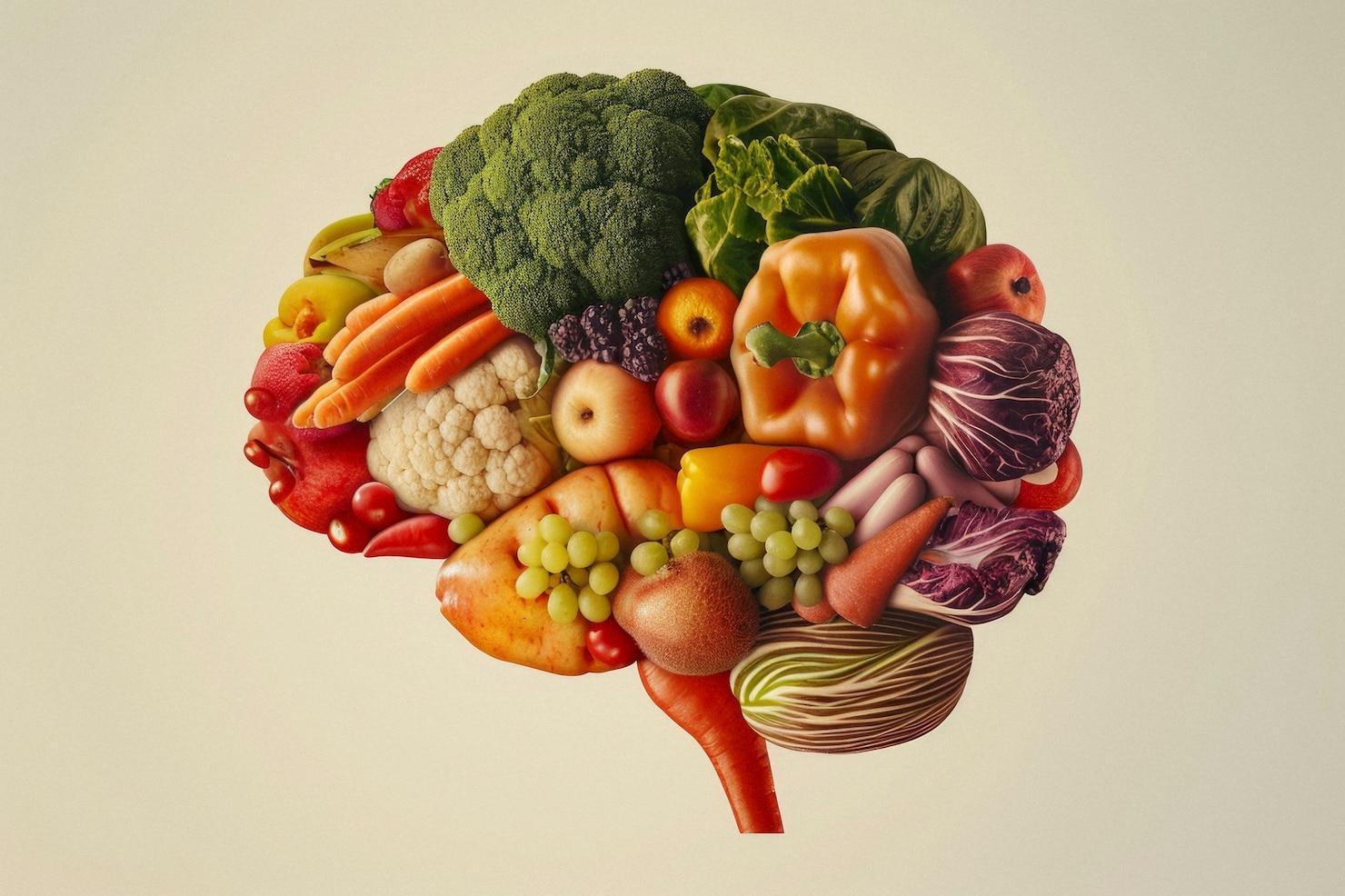

Your brain runs on glucose, but not all sources of glucose are equal. Junk food, refined carbs, and processed snacks provide poor fuel that leaves you foggy and forgetful.
Eating healthy, balanced meals rich in whole grains, vegetables, lean proteins, fruits, and healthy fats supports memory, concentration, and mental sharpness.
3. Excessive Screen Time Before Bed
Scrolling endlessly at night may feel relaxing, but it disrupts your sleep cycle. Blue light from screens reduces melatonin (the sleep hormone) and raises cortisol (the stress hormone).
Result? Trouble falling asleep, poor focus, and daytime fatigue.
👉 Fix: Give your brain a 30-minute screen break before bedtime. Try reading, listening to calm music, or talking with loved ones instead.
4. Multitasking
You might think multitasking makes you more productive, but your brain sees it as stress. Switching between tasks drains mental energy and reduces focus.
Studies show that multitasking lowers efficiency, increases mistakes, and tires out your brain.
👉 Fix: Focus on one task at a time. Work in short, concentrated sessions (e.g., 25–45 minutes) with breaks in between.
5. Listening to Loud Music
Blasting music through headphones can permanently damage the tiny hair cells in your ears that send sound signals to your brain. Once damaged, they don’t grow back, leading to hearing loss and reduced concentration.
👉 Fix: Keep headphone volume below 60%, and limit listening time.
6. Sitting Too Much
Sitting for long hours reduces blood flow and oxygen supply to the brain, leading to fatigue, poor mood, and weaker memory. Prolonged sitting can even shrink areas of the brain responsible for learning.
👉 Fix: Move more! Stand, stretch, take short walks, climb stairs, or add regular exercise to your day.
7. Chronic Stress
Carrying stress like a trophy damages your brain over time. High stress raises cortisol, which:
Shrinks brain areas linked to memory.
Weakens connections between brain cells.
Increases risk of depression and burnout.
👉 Fix: Practice stress management: set boundaries, rest, meditate, or take short breaks. Remember, rest is not laziness—it’s brain maintenance.
8. High LDL Cholesterol
Cholesterol isn’t just bad for the heart—it also affects the brain. High LDL cholesterol damages blood vessels, reduces blood supply to the brain, and is linked to brain shrinkage and cognitive decline.
👉 Fix: Check your cholesterol levels regularly, eat heart-healthy foods, and consult your doctor for treatment if needed.
9. High Sugar Intake
Yes, your brain needs glucose, but too much sugar causes inflammation in brain cells, weakens memory, and slows thinking. Over time, a high-sugar diet increases your risk of dementia and Alzheimer’s disease.
👉 Fix: Limit sodas, sweets, and processed foods. Opt for whole fruits (with fiber) instead of sugary juices or desserts.
10. High Blood Pressure (Bonus)
Uncontrolled high blood pressure damages brain blood vessels, increasing the risk of stroke and memory problems.
👉 Fix: Monitor your blood pressure, exercise, reduce salt, and maintain a healthy lifestyle.
Final Thoughts
Your brain is your most valuable asset—it shapes your personality, decisions, dreams, and everything that makes you, you. But it needs proper care.
To protect your brain:
Get 7–9 hours of quality sleep.
Eat a balanced, healthy diet.
Limit late-night screen time.
Avoid multitasking—focus on one thing at a time.
Keep music volume safe.
Move more, sit less.
Manage stress.
Monitor cholesterol, blood sugar, and blood pressure.
Take these steps seriously, and your brain will stay sharp, healthy, and active for years to come.