


Hairline Recession: Causes, Treatments, and Prevention
Have you noticed your hairline slowly creeping backwards? One day you had a full afro or neat cornrows, and now your forehead seems to be expanding faster than road construction in Lagos. Don’t panic—you’re not alone. Hairline recession is extremely common among men (and some women too), and understanding the causes can help you slow it down or manage it better.
The Role of Genetics: Androgenetic Alopecia
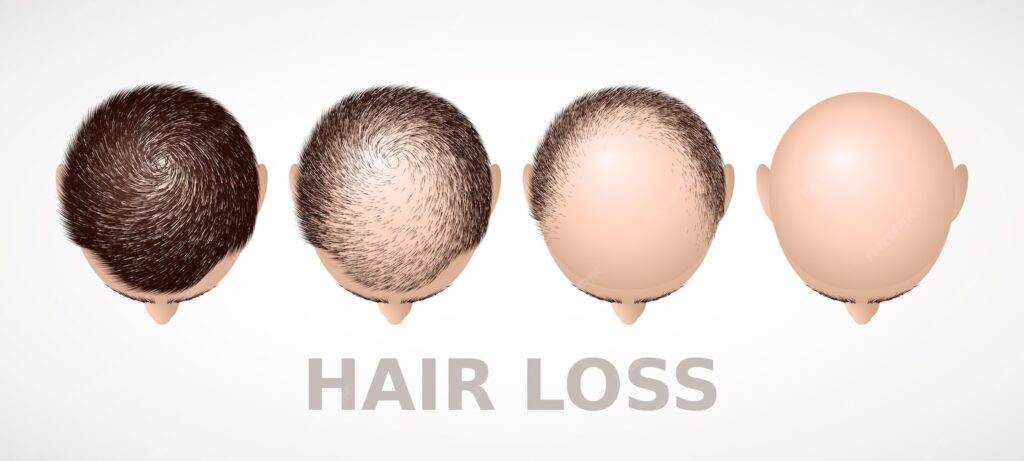
For many men, hair loss is written in the genes. If your father, uncles, or grandfather lost their hair early, chances are you may experience the same. This condition is called androgenetic alopecia, also known as male-pattern baldness.
The main culprit here is a hormone called DHT (dihydrotestosterone). It attacks hair follicles, shrinking them over time until they stop producing hair. Sadly, no black soap or miracle oil can fight your DNA. But catching it early may help you slow down the process.
Stress and Hair Loss
Stress doesn’t only affect your mood—it also affects your scalp. High stress levels increase cortisol, the body’s “panic hormone.” Over time, this triggers a condition called telogen effluvium, where your hair falls out faster than it grows.
Stress-related hair loss can happen after:
- Sleepless nights
Heartbreak or grief
Job loss or financial pressure
Long-term illness
So if your hairline started fading during your most stressful years, stress may be the real thief.
Poor Diet and Weak Hair Roots

Hair is made up of protein, and it needs nutrients to grow strong. If your diet is mostly noodles, bread, and soda, your body may lack essential vitamins and minerals.
For healthy hair growth, your diet should include:
Protein (beans, fish, eggs, lean meat)
Iron (leafy greens, liver, lentils)
Omega-3 fatty acids (fish, walnuts, flaxseeds)
Zinc & Vitamin B complex (nuts, whole grains, dairy)
When your body doesn’t get these nutrients, your strands become weak, and your hairline recedes faster.
Hairstyles That Pull Too Hard
If you love braids, dreadlocks, or tight cornrows, be careful. Constant pulling can lead to traction alopecia—hair loss caused by tension on the follicles.
To protect your hairline:
Avoid overly tight hairstyles
Give your scalp breaks between styles
Let your hair “breathe” to prevent permanent damage
Medical Conditions That Affect Hair Growth
In some cases, hair loss isn’t caused by stress or genetics but by autoimmune conditions such as alopecia areata, where the immune system mistakenly attacks hair follicles. This can lead to bald patches that require medical evaluation.
If you notice sudden patches of hair loss, consult a dermatologist.
Treatment Options for Hairline Recession
1. Lifestyle Changes
Start with the basics:
Keep your scalp clean with mild shampoo
Avoid harsh chemicals and relaxers
Manage stress with rest, exercise, and relaxation techniques
Eat a nutrient-rich diet
These changes may not reverse baldness but can slow it down.
2. Minoxidil (Hair Growth Solution)
Originally created to treat high blood pressure, minoxidil was later found to stimulate hair growth. It can work for some people, but results vary and depend on whether your follicles are still active.
⚠️ Always consult a doctor before using minoxidil, as it can affect blood pressure.
3. Hair Transplant Surgery
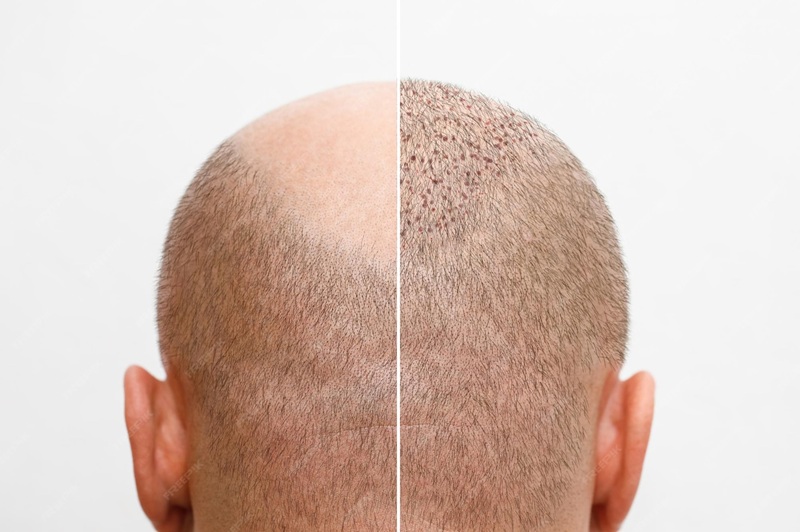
For those who can afford it, a hair transplant is another option. Surgeons transplant healthy follicles from the back of your head to thinning areas.
Pros: Can restore hairline
Cons: Very expensive, time-consuming, risk of infection or transplant failure
4. Scalp Micropigmentation
This involves tattooing tiny dots to mimic hair follicles and create the illusion of a fuller hairline. While it doesn’t regrow hair, it can restore confidence.
5. Owning the Bald Look
Sometimes the best solution is acceptance. Many men confidently embrace the clean-shaven look—often pairing it with a beard for balance. Remember, your self-esteem doesn’t depend on your hairline.
Final Thoughts
Hairline recession can feel frustrating, but understanding the causes helps you make smart decisions. Whether it’s genetics, stress, diet, or tight hairstyles, the earlier you act, the better your chances of slowing it down.
If you’re considering treatments like minoxidil or hair transplants, consult a dermatologist to guide you. And if all else fails, own your look—bald is bold, and confidence is the real crown.
Frequently Asked Questions (FAQ) on Hairline Recession
1. What causes hairline recession in men?
The most common cause is androgenetic alopecia (male-pattern baldness), which is genetic. Other factors include high levels of DHT hormone, stress, poor diet, tight hairstyles, and certain medical conditions.
2. Can stress really make your hairline recede?
Yes. Chronic stress increases cortisol, which disrupts the hair growth cycle and can trigger telogen effluvium, a condition where hair sheds faster than it grows.
3. Can diet stop hairline recession?
A healthy diet rich in proteins, iron, omega-3 fatty acids, zinc, and B vitamins can strengthen your hair and slow down hair loss. While diet alone may not cure genetic baldness, it helps improve overall scalp health.
4. Does minoxidil work for a receding hairline?
Minoxidil can stimulate hair growth if the follicles are still active. However, results vary from person to person, and it should be used consistently under medical supervision.
5. Is a hair transplant a permanent solution?
Hair transplants can restore a natural-looking hairline, but they are expensive and not risk-free. In some cases, transplanted follicles may not survive, and infections are possible.
6. Can women also experience hairline recession?
Yes. Women can develop traction alopecia from tight hairstyles or experience thinning due to hormonal changes, stress, or autoimmune conditions.
7. What is the best natural way to prevent hairline recession?
The best approach is a healthy lifestyle: manage stress, eat nutrient-rich foods, avoid harsh chemicals, and don’t pull your hair too tightly.