



Sometimes, the biggest health threats are silent. No pain, no obvious warning signs—just silence until it’s too late. That’s why early detection through regular health screening is one of the smartest things you can do for yourself and your loved ones.
I’ve seen people ignore small symptoms, only for the condition to escalate into something serious and life-threatening. The truth is: one simple test could save your life.
So let’s talk about the most important health screenings you should be doing—and when.
1. Cervical Cancer Screening
If you’re a woman aged 21 and above, cervical cancer screening is non-negotiable.
Pap smear: Checks for abnormal cells in the cervix.
HPV DNA test: From ages 30–65, this test looks for the human papillomavirus (HPV), which causes most cervical cancers.
It only takes a few minutes, and catching abnormalities early can make all the difference.
2. STI Testing
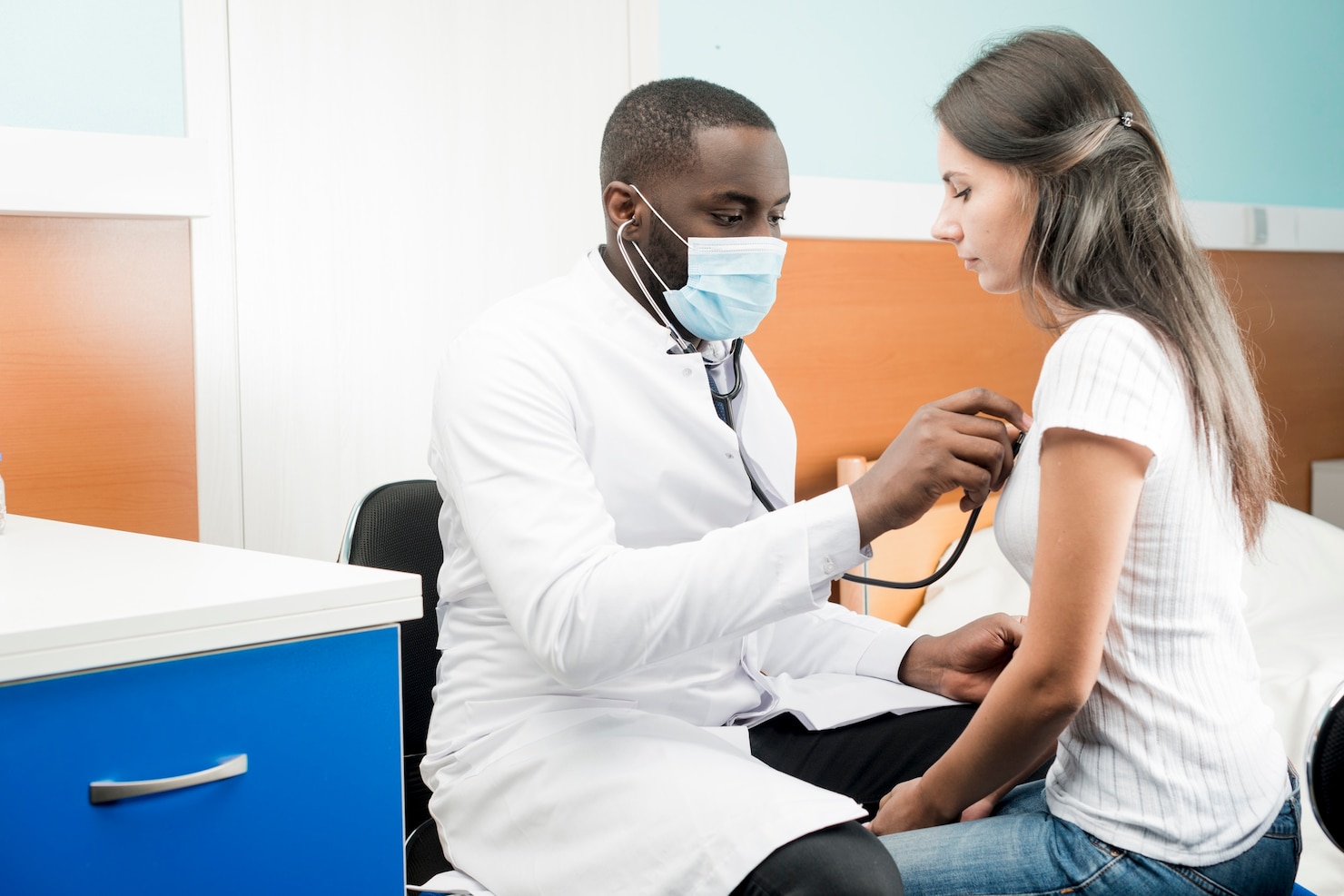
If you’re sexually active, regular sexually transmitted infection (STI) tests are a must. Many STIs—like chlamydia, gonorrhea, HIV, syphilis, and hepatitis—don’t always show symptoms early.
Trusting your partner is not the same as knowing. Early detection protects both you and your partner, and treatment is easier when started on time.
You may also like: How the Food You Eat Can Help Prevent Colon Cancer.
3. Breast Cancer Screening (Mammogram)
From age 40, women should get a mammogram every two years.
A mammogram is a low-dose X-ray of the breast that helps detect cancer early. Yes, it may feel uncomfortable, but 20 minutes of discomfort is far better than months of chemotherapy.
⚠️ If you have a family history of breast cancer, consider starting earlier.
4. Diabetes Screening (Blood Sugar Test)
Diabetes can sneak up on you. The good news? A simple blood sugar test can give you answers.
Options include a finger-prick test or continuous glucose monitoring.
Both fasting and non-fasting blood sugar checks are important.
Everyone should check their sugar levels occasionally, especially adults over 30, those who are overweight, or those with a family history of diabetes.
5. Blood Pressure Check
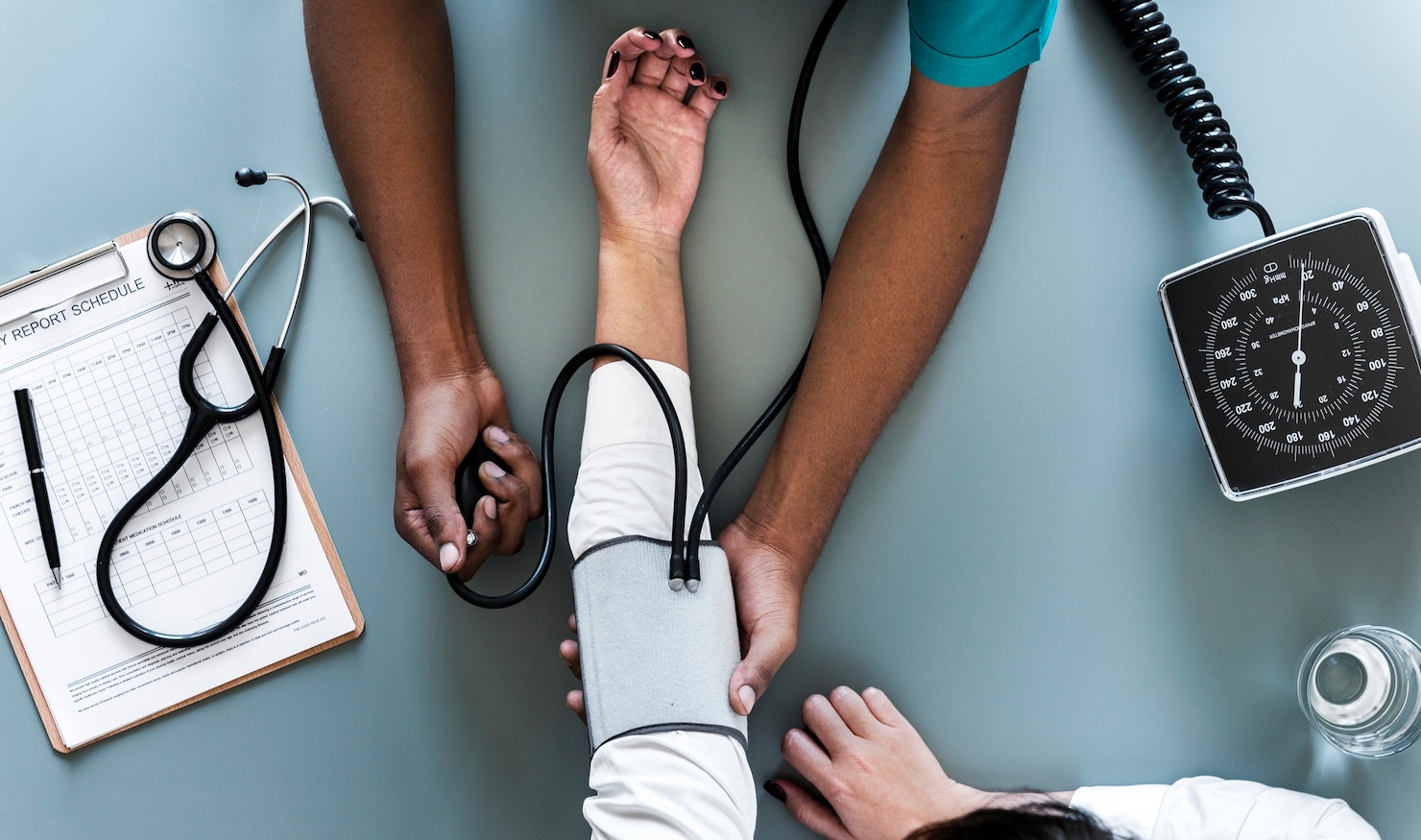
High blood pressure is known as the silent killer because it usually has no symptoms while damaging your heart, brain, kidneys, and blood vessels.
Checking your blood pressure is easy—at home, at the pharmacy, or at the hospital. Don’t wait for headaches before taking it seriously.
6. Cholesterol Test
From age 40 (or earlier if you’re overweight, eat poorly, or have a family history of cholesterol issues), start testing your cholesterol.
Too much bad cholesterol can clog your arteries, leading to heart attacks, strokes, and circulation problems. Prevention is much cheaper than emergency treatment.
7. Colon Cancer Screening
Colon cancer is appearing in younger people more often. In Nigeria and many parts of the world, experts now recommend starting screening from age 30.
During the test, doctors can remove small polyps before they turn cancerous. Early detection saves lives and money.
8. Lung Cancer Screening
Even if you don’t smoke, being around smokers or shisha puts you at risk.
If you have a history of smoking or long-term exposure to smoke, ask your doctor about lung cancer screening. It’s not for everyone, but it’s vital for high-risk groups.
9. Bone Density Test (DEXA Scan)
From age 50, women (and men at risk) should consider a bone density test to check for osteoporosis.
Weaker bones mean higher chances of fractures. If you’re petite, postmenopausal, or have used steroids long-term, you may need testing earlier.
Tip: Weightlifting and strength training can also help keep your bones strong.
10. Skin Checks
Your skin can reveal early signs of melanoma and other skin cancers.
Don’t rely on influencers or DIY creams. Visit a dermatologist for professional evaluation if you notice:
New moles
Changes in existing spots
Unusual rashes or growths
11. Eye and Ear Checks
Your eyes and ears play a huge role in your daily life—work, driving, communication, and safety.
Eyes: Blurry vision, headaches, or difficulty focusing may signal bigger problems, sometimes even brain-related.
Ears: Hearing loss is often gradual. Ear infections, loud music, or misuse of earbuds can cause lasting damage.
A simple check could restore your quality of life.
Final Thoughts
Prevention is always better—and cheaper—than cure. Don’t wait for symptoms to appear before taking action.
Here’s a practical tip: make your annual birthday gift to yourself a full health screening. Instead of just celebrating with photos and parties, give yourself the gift of life.
Regular health checks can catch problems early, save money, and most importantly—save lives.